Allopurinol Oral : Uses, Side Effects, Interactions, Warnings

Allopurinol
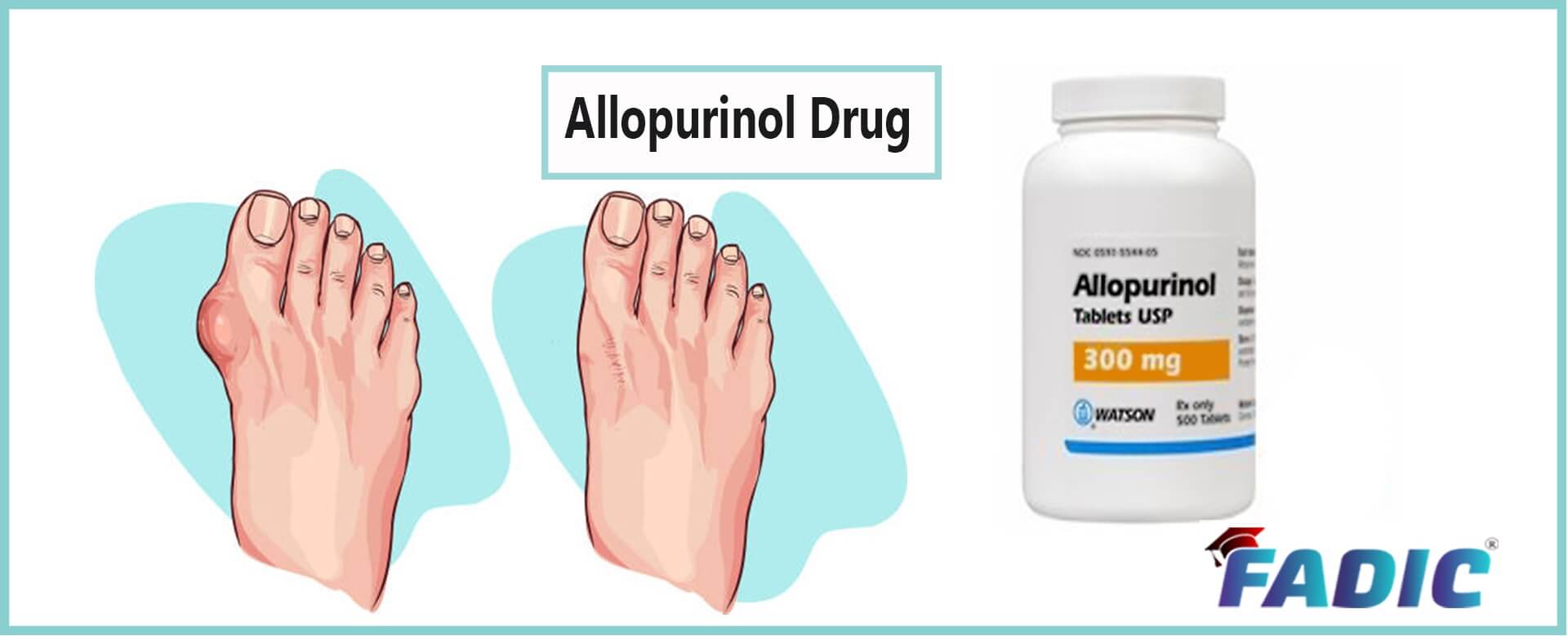
Learn More about The Most Famous Drug – Allopurinol For anti-gout Prescribed by Doctors:
- Brand Names: Zyloprim
- Therapeutic Category: Antigout Agent; Xanthine Oxidase Inhibitor
- Dosage Forms: Tablet, Oral
- Use: Labeled Indications: Management of primary or secondary gout, Nephrolithiasis, prevention of recurrent calcium stones
- Dosing : Adult : Gout, treatment: Initial: 100 mg once daily
- Dosage adjustments: Titrate in 100 mg increments every 2 to 4 weeks to achieve the desired serum uric acid level
- Maintenance: Doses ≥300 mg/day needed to reach the desired uric acid target; doses up to 800 mg/day may be required
- Maximum: 800 mg/day
- Dose Adjustments
- Renal Impairment: CrCl ≤60 mL/minute: Oral: Initial: <1.5 mg per unit of eGFR. Doses increased in increments of ≤50 mg/day at intervals of every 4 weeks to the minimum daily dose necessary to achieve the goal urate-lowering effect
- Hepatic Impairment: no dosage adjustments
- Adverse Drug Interaction:
skin rash, Nausea , vomiting, Renal failure syndrome, renal insufficiency - Pharmacodynamics/Kinetics:
- Onset of action: Gout: Decrease in serum and urine uric acid: 2 to 3 days; peak effect: 1 week or longer
- Absorption: Oral: 90% from GI tract
- Bioavailability: 49% to 53%
- Half-life elimination: Parent drug: 1 to 2 hours; Oxypurinol: 15 hours
- Time to peak, plasma: Oral: Allopurinol: 1.5 hours; Oxypurinol: 4.5 hours
- Important Notes:
- Bone marrow suppression reported in patients receiving allopurinol
- May occasionally cause drowsiness; patients cautioned about performing tasks that require mental alertness
- Pregnancy & Lactation: crosses the placenta / present in breast milk
- Medication Safety issue:
- Allopurinol confused with Apresoline
- Zyloprim confused with zolpidem, ZORprin, Zovirax

Read More:
Copyright ©: All content on FADIC Website, including medical opinion and any other health-related information, and drug Informtation is for informational purposes only

 Log in
 Sign up