
 Log in
 Sign up
How Laughing Improves Physical and Mental Health
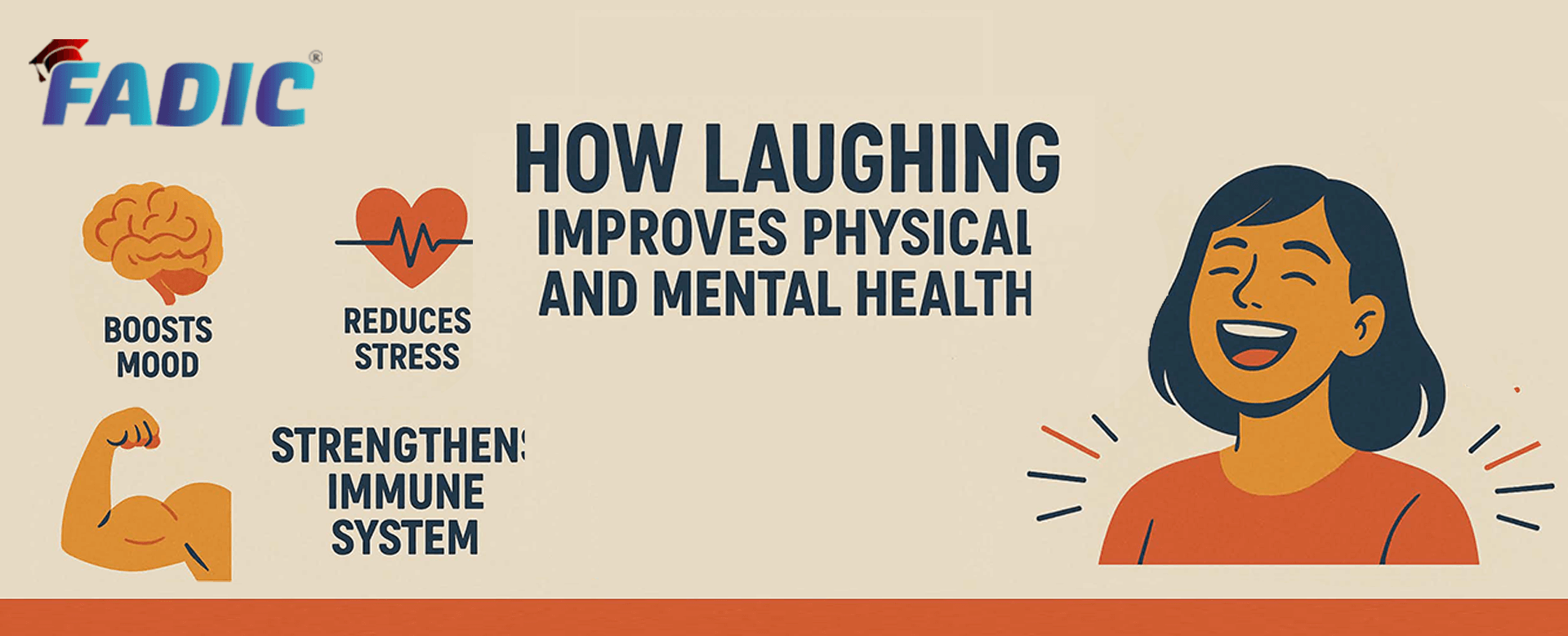
How Laughing Improves Physical and Mental Health
In an era marked by constant stress, fast-paced lifestyles, and chronic diseases, finding simple, natural, and effective ways to improve health has become more critical than ever. One of the most enjoyable and scientifically recognised approaches is laughter therapy—a therapeutic technique that uses the act of laughing to promote healing and well-being.
Laughter therapy (also known as humour therapy) involves both spontaneous laughter and intentional laughter exercises to activate positive physiological and psychological changes in the body. It is based on the principle that laughter stimulates the release of “feel-good” chemicals, strengthens immunity, and reduces the harmful effects of stress.
Globally, laughter therapy has gained attention as a complementary practice used alongside traditional medicine. Hospitals, wellness centres, and community groups are increasingly introducing laughter yoga, group sessions, and humour-based programmes to support recovery and emotional health.
Section 1: What Is Laughter Therapy?
- Laughter therapy is a form of complementary medicine that uses laughter—both natural and simulated—to improve physical and mental health. It involves engaging in laughter exercises, breathing techniques, and playful activities designed to trigger genuine laughter even without humour.
- Unlike spontaneous laughter that occurs in response to something funny, induced laughter (as practised in laughter yoga) is intentionally created through structured techniques. Research shows that the body cannot distinguish between genuine and simulated laughter; both types generate similar physiological and emotional benefits.
- The idea of using laughter for healing is not new. In the 1970s, American journalist Norman Cousins popularised the concept after he reportedly used humour and laughter to help recover from a serious illness. Since then, laughter therapy has evolved into a global practice, supported by clinical studies and used in hospitals, care homes, and rehabilitation centres.
Section 2: The Science Behind Laughter Therapy
- Laughter is more than an emotional response—it’s a powerful neurobiological process that affects the brain, hormones, and immune system.
- When we laugh, the brain releases endorphins, natural painkillers that create a feeling of happiness and relaxation. Simultaneously, serotonin and dopamine levels increase, helping to regulate mood and reduce symptoms of anxiety and depression.
- Laughter also reduces the production of stress hormones such as cortisol and adrenaline, lowering blood pressure and improving heart function. A study published in The American Journal of Lifestyle Medicine found that laughter leads to increased oxygen intake, better blood circulation, and muscle relaxation—all of which contribute to stress relief and improved health.
- Furthermore, laughter activates the parasympathetic nervous system, which calms the body after a stress response. It creates a balanced physiological state, promoting mental clarity and resilience.
Section 3: Physical Health Benefits of Laughter Therapy
Scientific research confirms that laughter positively impacts several bodily systems.
Heart Health: Laughter improves blood vessel function and increases blood flow, which helps protect against cardiovascular diseases. Studies show that regular laughter can reduce the risk of heart attack and improve vascular health similarly to aerobic exercise.
Immune System Strength: Laughter boosts immune response by increasing natural killer cells, antibodies, and T-cells. This enhanced immune activity helps the body fight infections more effectively.
Pain Relief: Endorphins released during laughter act as natural analgesics, providing temporary relief from chronic pain conditions such as arthritis and fibromyalgia.
For instance, research published in Complementary Therapies in Medicine demonstrated that patients who participated in laughter sessions experienced lower pain perception and improved physical well-being.
Section 4: Psychological Benefits of Laughter Therapy
Beyond physical benefits, laughter plays a major role in mental and emotional well-being.
Mood Enhancement: Laughter instantly uplifts mood by increasing serotonin and endorphins, reducing feelings of sadness and anxiety.
Reducing Depression and Anxiety: Studies have shown that laughter therapy is an effective complementary approach for managing mild depression and stress disorders.
Improving Social Connection: Laughing together promotes empathy, strengthens relationships, and enhances group cohesion—a critical element in mental health recovery.
Better Sleep: Regular laughter reduces tension and promotes relaxation, which can improve sleep quality.
According to a 2021 study in Frontiers in Psychology, laughter-based interventions significantly improved emotional resilience and social support among patients recovering from chronic illnesses.
Section 5: Techniques and Methods in Laughter Therapy
There are several practical ways to incorporate laughter therapy into daily life and clinical practice:
Group Laughter Sessions: Guided sessions led by trained facilitators where participants engage in playful exercises that induce laughter.
Laughter Yoga: A structured practice developed by Dr Madan Kataria in India, combining yogic breathing, stretching, and intentional laughter.
Daily Laughter Routine: Watching comedy videos, sharing jokes, spending time with children, or joining online laughter clubs can make laughter a habit.
Therapeutic Settings: Certified laughter therapists may integrate laughter exercises into counselling or rehabilitation programmes to enhance emotional release.
Section 6: Challenges and Limitations
- While laughter therapy shows promising results, it is not a substitute for conventional medical treatment. Most studies have small sample sizes, and more long-term research is needed to confirm its full efficacy.
- Individuals with certain conditions—such as hernias, severe respiratory issues, or post-surgical recovery—should consult their doctor before participating in intense laughter sessions.
- Cultural differences also influence how laughter therapy is perceived. In some societies, laughter in formal or therapeutic contexts may still be misunderstood, limiting its adoption.
Section 7: Practical Applications in Healthcare
- Laughter therapy has been successfully introduced in hospitals and care facilities worldwide. In the United States, “clown doctors” use humour to comfort children in paediatric wards. In India, community laughter clubs have become part of public wellness programmes.
- Integrating laughter therapy into Arab healthcare systems could enhance patient recovery, reduce burnout among healthcare workers, and improve public mental health outcomes. Training programmes and awareness campaigns could promote laughter as a tool for holistic well-being.
Conclusion
- Laughter is not just a reaction—it is a powerful medicine for both body and mind. From boosting immunity and easing pain to reducing stress and strengthening social bonds, the benefits of laughter therapy are supported by growing scientific evidence.
- Incorporating regular laughter—whether through structured sessions or everyday joy—can transform one’s health and outlook on life.
- Healthcare professionals and researchers are encouraged to explore laughter therapy further, integrating it into community and hospital-based wellness programmes.
Read More:
- 10 Skills You Must Learn to Do Research via Google ScholarThe Most Common OTC Resource
- Register Now at FADIC Clinical Research School
- Buy FADIC Toolkit for Writing Research to Write a Great Research PaperThe Most Common OTC Resource
- Read 10 Skills You Must Learn to Do Research via Google Scholar in Arabic
- The FADIC Online Continuous Medical Improvement Programs & Mini-Courses.The Most Common OTC Resource
- Check Now the FADIC Book store and Buy books in different specialities.
- Check Now about Coronavirus Resource Information Center.The Most Common OTC Resource
- Simple random sampling: Definition, examples, and how to do itThe Most Common OTC Resource