
 Log in
 Sign up
How to Increase Weight
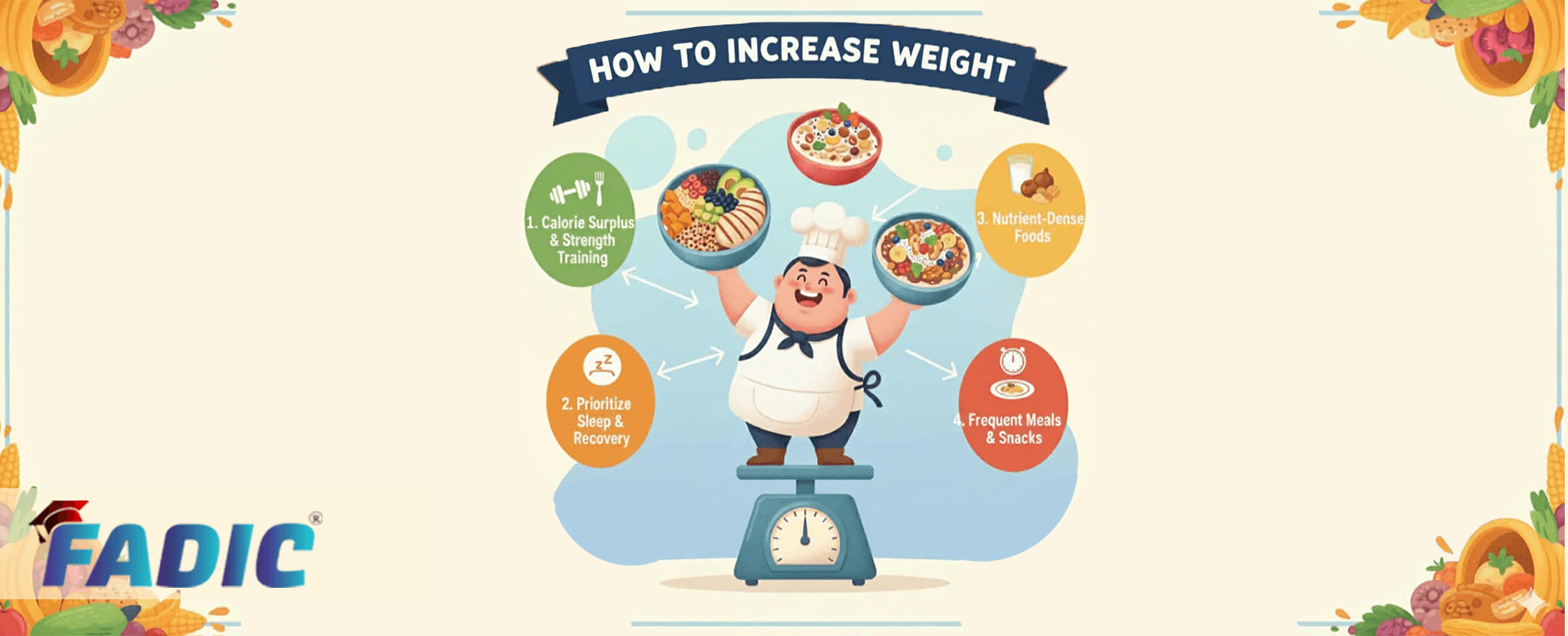
How to Increase Weight: Complete Diet Plans, Calories, Exercise, and Expert Tips

Introduction
Globally, being underweight is less common than obesity but still affects an estimated 8–9% of adults, according to the World Health Organization. Underweight individuals face a range of health challenges, from low energy to higher risk of illness. Many people search for how to increase weight safely, but struggle to find reliable, evidence-based advice.
The challenge lies in gaining weight without relying on unhealthy foods or developing long-term complications. Common problems include low appetite, fast metabolism, or medical issues that prevent sustained progress.
This guide offers a comprehensive, natural solution. By combining a balanced weight gain diet plan, targeted exercise routines, and supportive lifestyle strategies, you can achieve steady and sustainable results.
With the right approach, it’s possible to set realistic goals, build lean muscle, and improve overall wellbeing. These strategies are rooted in nutritional science and designed to help you succeed safely.
Understanding Healthy Weight Gain
What Constitutes Being Underweight
The World Health Organization defines underweight BMI as below 18.5. A healthy weight range usually falls between 18.5 and 24.9 BMI. Causes of being underweight include genetics, high metabolism, chronic illness, thyroid conditions, or inadequate nutrition.
Health Risks of Being Underweight
The risks of being underweight go beyond appearance. They include:
- Weak immune system, making infections more frequent.
- Low bone density, raising the risk of osteoporosis.
- Fertility issues, particularly in women.
Setting Realistic Weight Gain Goals
For sustainable progress, aim for 0.5–1kg per week. This rate prevents fat-only gain and supports muscle growth. For example:
- 5kg goal: 5–10 weeks.
- 10kg goal: 10–20 weeks.
- 15kg+ goal: 15–30 weeks.
If you’re wondering “how much weight can I gain per week?”, the answer depends on metabolism, genetics, and adherence.
The Science of Healthy Weight Gain
Understanding Caloric Surplus
The foundation of weight gain is maintaining a caloric surplus for weight gain—eating more calories than you burn. If your TDEE (Total Daily Energy Expenditure) is 2,000 calories, you need 2,300–2,500 calories for gradual gain.
This approach supports 0.5–1kg per week. For a 14kg gain, expect 15–30 weeks of consistent surplus.
Macronutrient Requirements for Weight Gain
Proper macros for weight gain are:
- Protein: 1.6–2.2g/kg (muscle building).
- Carbohydrates: 5–7g/kg (energy and glycogen).
- Fats: 1–1.5g/kg (hormone balance and calorie density).
These align with international sports nutrition guidelines.
Metabolic Factors
Some people ask, “why can’t I gain weight with fast metabolism?”. Factors include:
- BMR (Basal Metabolic Rate): higher in some individuals.
- Thermic Effect of Food (TEF): protein burns more energy to digest.
- Activity level: physically active people need greater surplus.
Timeline for Healthy Weight Gain
A realistic weight gain timeline:
- 5kg → 5–10 weeks
- 10kg → 10–20 weeks
- 15kg → 15–30 weeks
Progress varies due to metabolism, diet quality, and exercise.
Natural Appetite Enhancement Strategies
Meal Timing and Frequency
Eating 5–6 smaller meals may be easier than forcing 3 large meals. Use meal frequency for weight gain to increase calorie intake naturally. Pre-meal strategies like light walks or herbal teas can stimulate appetite.
Natural Appetite Stimulants
Consider natural appetite boosters such as:
- Zinc supplements (with medical advice).
- Herbs: ginger, fennel, cardamom.
- Vitamin B complex to support metabolism.
Lifestyle Factors
To learn how to increase hunger naturally, improve:
- Sleep quality, which regulates hunger hormones.
- Stress control, since high cortisol suppresses appetite.
- Exercise timing, as strength training often increases hunger.
Environmental and Psychological Factors
Eating socially, varying food presentation, and avoiding appetite suppressants (excess caffeine, nicotine) all help. Understanding the psychology of eating more food can make gaining easier.
Calorie Requirements for 14kg Weight Gain
Calculating Daily Caloric Needs
Start with your BMR and multiply by an activity factor to get TDEE. Online tools like a calorie calculator for weight gain can help.
Caloric Surplus
- +300–500 calories → 0.5kg/week
- +500–750 calories → 0.75kg/week
- +750–1000 calories → 1kg/week
For calories needed to gain weight, adjust every 2–3 weeks based on progress.
Macronutrient Distribution
Balanced macros for weight gain diet plan:
- Protein: 1.6–2.2g/kg
- Carbs: 5–7g/kg
- Fats: 1–1.5g/kg
Sample Daily Targets
- 50kg person: 2800–3200 calories/day
- 60kg person: 3000–3400 calories/day
Adjust for training intensity and metabolism.
Complete Weight Gain Diet Plan
High-Calorie Food Categories
Best high calorie foods for weight gain include:
- Healthy fats: nuts, seeds, avocados, olive oil.
- Complex carbs: oats, quinoa, sweet potatoes.
- Lean proteins: chicken, fish, dairy, legumes.
7-Day Sample Meal Plan
Moderate Gain (2800 cal)
- Breakfast (500): Oatmeal + banana + nuts
- Lunch (700): Chicken quinoa bowl
- Dinner (800): Salmon + sweet potato
- Snacks (800): Smoothie, trail mix
Aggressive Gain (3500 cal)
- Breakfast (700): Avocado toast + protein shake
- Lunch (900): Pasta with meat sauce
- Dinner (1000): Steak + rice + veg
- Snacks (900): Nuts, milk, protein bar
Meal Timing
Pre-workout carbs and post-workout protein optimise results.
Hydration
Choose drinks for weight gain like smoothies and whole milk. Limit filling low-calorie drinks like diet sodas.
Exercise Plan for Healthy Weight Gain
Strength Training
Best exercise to gain weight is strength-based:
- Squats, deadlifts, bench press, pull-ups.
- Train 3–4 times weekly with progressive overload.
Minimal Cardio
Keep cardio light—walking, cycling, swimming—to avoid calorie loss.
Sample Weekly Routine
- Mon: Upper body
- Wed: Lower body
- Fri: Full body
Recovery
Sleep 7–9 hours and allow rest days for muscle repair.
Lifestyle Tips for Successful Weight Gain
- Sleep and weight gain: 7–9 hours for hormone balance.
- Manage stress: high cortisol hinders progress.
- Track weekly weight, body measurements, and photos.
- Build consistency, not perfection—stick to habits.
Potential Challenges and Solutions
- Common weight gain challenges: low appetite, digestive issues.
- Plateaus: add 200–300 calories, change workouts.
- Psychological barriers: social comments, body image—address with mindset shifts.
When to Seek Medical Help
See a doctor if you have:
- Unexplained weight loss.
- Persistent digestive pain.
- Thyroid or hormone concerns.
Seek support from dietitians, endocrinologists, or mental health professionals. Regular blood work is essential.
Conclusion and Next Steps
- Healthy weight gain requires patience, balanced nutrition, and strength training.
- Always consult your doctor before making major changes or using medications like Triactin.
- With steady habits and professional guidance, you can achieve sustainable results and maintain them long term. And this is how to increase weight.
Read More:
- 10 Skills You Must Learn to Do Research via Google ScholarThe Most Common OTC Resource
- Register Now at FADIC Clinical Research School
- Buy FADIC Toolkit for Writing Research to Write a Great Research PaperThe Most Common OTC Resource
- Read 10 Skills You Must Learn to Do Research via Google Scholar in Arabic
- The FADIC Online Continuous Medical Improvement Programs & Mini-Courses.The Most Common OTC Resource
- Check Now the FADIC Book store and Buy books in different specialities.
- Check Now about Coronavirus Resource Information Center.The Most Common OTC Resource
- Simple random sampling: Definition, examples, and how to do itThe Most Common OTC Resource