
 Log in
 Sign up
The Complete Guide to the Ketogenic Diet
 The Complete Guide to the Ketogenic Diet: Benefits, Risks, and Getting Started
 The Complete Guide to the Ketogenic Diet: Benefits, Risks, and Getting Started
Introduction: Why the Keto Diet Is So Popular
The ketogenic diet (often shortened to keto diet) has exploded in popularity over the last decade. Google searches for “keto diet” have soared, with over 368,000 monthly searches globally, reflecting its status as one of the world’s most searched diets. Surveys show millions have adopted this low-carb, high-fat lifestyle, reporting significant weight loss and improved energy.
The principle is simple but powerful: by reducing carbs drastically and increasing fat intake, the body enters a natural metabolic state called ketosis. In ketosis, fat becomes the main energy source instead of glucose. This shift not only promotes fat burning but also stabilises blood sugar, reduces cravings, and boosts mental focus.
But before you dive in, it’s important to understand both the benefits and risks of keto. This complete guide explains:
- What the ketogenic diet is and how it works
- The different types of keto diets
- Proven health benefits backed by research
- Side effects and who should avoid keto
- A full keto foods list (what to eat and avoid)
- Meal plans, recipes, and progress tracking tips
If you’re curious about ketogenic diet for beginners or wondering how to start keto diet safely, this guide gives you the roadmap you need.
What Is the Ketogenic Diet? (Scientific Explanation + Macros)
The ketogenic diet is a nutritional approach designed to switch the body’s primary fuel from carbohydrates to fats.
Under normal conditions, your body uses glucose (from carbs) as its main energy source.
But when carbs are limited to very low levels, the liver breaks down fats into molecules called ketones, which power both the brain and muscles.
This state is called ketosis.
Historical Background
Originally developed in the 1920s to treat epilepsy, the keto diet proved effective in reducing seizures in children resistant to medication.
Today, it’s still used clinically for epilepsy while also being popular for weight management, metabolic health, and cognitive performance.
Macronutrient Breakdown
A standard keto diet ratio looks like this:
- 70–75% fat
- 20–25% protein
- 5–10% carbs
This usually equals 20–50g net carbs per day. Beginners often ask “how many carbs on keto?”—the answer is usually under 50g, but many aim for 20–30g to ensure ketosis. Tools such as a keto macros calculator help tailor ratios to your body weight and goals.
Maintaining the right balance of fat, protein, and carbs is the foundation of a successful keto journey.
Types of Ketogenic Diets (Which One Is Right for You?)
There isn’t just one keto diet. Here are the four main types of keto diet:
1. Standard Ketogenic Diet (SKD)
- Macros: 70–75% fat, 20–25% protein, 5–10% carbs
- Best for beginners and steady fat loss.
2. Cyclical Ketogenic Diet (CKD)
- 5 days of keto followed by 2 days of higher carbs (“carb refeeds”).
- Often used by athletes or bodybuilders to replenish glycogen.
3. Targeted Ketogenic Diet (TKD)
- Small amounts of carbs consumed around workouts.
- Useful for high-intensity training while staying in ketosis.
4. High-Protein Ketogenic Diet
- ~60% fat, 30–35% protein, 5–10% carbs.
- Supports muscle preservation, suitable for those lifting weights.
Science-Backed Benefits of the Ketogenic Diet
The keto diet has been widely researched. Here are the proven benefits:
1. Weight Loss and Fat Burning
The biggest draw is keto weight loss. Ketosis shifts metabolism to burning fat stores instead of glucose. It also reduces hunger by lowering ghrelin (the “hunger hormone”). Clinical trials show people lose more weight on keto compared to low-fat diets. For those asking “how fast does keto work?”—visible results often appear within 2–4 weeks.
2. Improved Blood Sugar Control
Keto lowers blood sugar and improves insulin sensitivity. A 2018 study in Diabetes Therapy found significant HbA1c reductions in type 2 diabetes patients on keto compared to standard diets (Westman et al., 2018).
3. Enhanced Mental Clarity and Focus
Many experience less keto brain fog after adaptation. The brain uses ketones efficiently, providing steady energy and improving focus. Research suggests potential neuroprotective effects against Alzheimer’s and Parkinson’s.
But the quality of fats matters—olive oil, avocados, nuts, and fatty fish are healthier than processed fats.
Potential Risks and Side Effects of the Keto Diet
1. Short-Term Side Effects (“Keto Flu”)
Many experience keto flu symptoms in the first week: fatigue, headaches, nausea, irritability. For most, keto flu lasts 5–7 days. Staying hydrated and replenishing electrolytes (sodium, potassium, magnesium) helps.
2. Long-Term Considerations
- Nutrient deficiencies (fibre, B vitamins, magnesium)
- Kidney and liver stress if high saturated fats dominate
- Digestive issues like constipation from low fibre intake
3. Who Should Not Do Keto Diet?
Keto isn’t for everyone. Avoid it if you have:
- Liver failure, pancreatitis, or gallbladder disease
- Certain rare metabolic disorders
- Pregnancy or breastfeeding (not recommended due to nutrient demands)
Those on diabetes or blood pressure medications should only start under medical supervision.
Keto Food List: What Can I Eat on Keto Diet?
1. Foods to Eat Freely
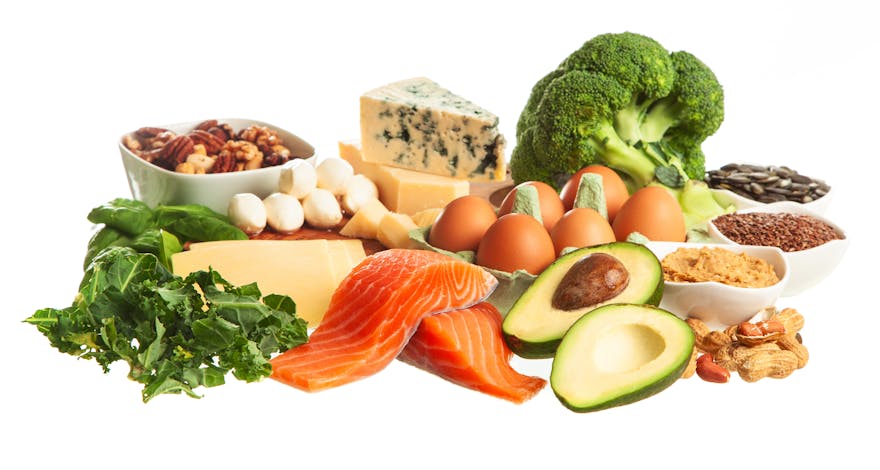
- Healthy fats: Avocados, olive oil, coconut oil, nuts, seeds
- Low-carb vegetables: Spinach, kale, cauliflower, broccoli, zucchini
- Protein sources: Grass-fed beef, poultry, wild-caught fish, eggs
2. Foods to Eat in Moderation
- Higher-carb vegetables: Tomatoes, onions, carrots, bell peppers
- Dairy: Cheese, cream, Greek yoghurt
- Berries: Strawberries, raspberries, blackberries
3. Foods to Avoid on Keto
- Grains & starches: Bread, pasta, rice, potatoes
- Sugars: Soda, sweets, honey, syrups
- High-carb fruits & veg: Bananas, apples, grapes, corn, peas
How to Start Keto Diet Safely: Your First 30 Days
Pre-Keto Prep
- Clear out high-carb foods
- Stock keto staples (eggs, fatty fish, avocados)
- Do basic keto meal prep (batch cooking, snacks ready)
Week 1–2: Transition
- Expect possible keto flu
- Supplement electrolytes
- Track macros with apps (20–50g net carbs)
Week 3–4: Adaptation
- Signs of ketosis: reduced cravings, steady energy
- Improved workouts and sleep
- Mental clarity increases
Sample Keto Meal Plan and Recipes
7-Day Beginner Keto Meal Plan
- Breakfasts: Scrambled eggs + spinach, chia pudding with almond milk
- Lunches: Tuna salad, grilled chicken with greens
- Dinners: Salmon + broccoli, steak + cauliflower mash
Quick Keto Recipes
- 15-minute meals: Cheese omelette, shrimp in garlic butter
- Meal prep: Baked chicken thighs, beef patties
- Snacks: Hard-boiled eggs, celery + cream cheese, nuts
Tracking Progress and Staying Motivated
- How to test for ketosis? Use ketone strips (urine), blood meters (most accurate), or breath analysers.
- Non-scale victories: More energy, better focus, clothes fitting looser.
- Health markers: Blood sugar, cholesterol, and blood pressure may improve.
Common Keto Diet Mistakes (and Fixes)
- Not eating enough fat → add olive oil, avocado, nuts
- Hidden carbs → check sauces, condiments, packaged foods
- Electrolyte imbalances → use salt, leafy greens, supplements
Conclusion and Next Steps
The ketogenic diet offers powerful benefits for weight loss, energy, and health but also comes with challenges. The best approach is sustainable, not extreme. Always consult a healthcare provider before starting, especially if you have medical conditions.
Keto works best when personalised—start slow, plan meals, track progress, and focus on whole, nutrient-dense keto foods for long-term success.