
 Log in
 Sign up

Duration
3 Weeks - 10 CME Hours

Language
English Slides with Arabic Illusteration

Open
2024
Overview
Pharmacoeconomics & Pharmacoepidemiology
Master the Science of Drug Economics and Population Health
3 Weeks | 10 CME Hours | 365 Days Access | Certificate Included

Transform Your Pharmacy Career with Essential Economic Skills
- Are you a pharmacist looking to expand your expertise beyond traditional dispensing? Do you want to understand how healthcare decisions are made at the policy level? Are you preparing for the SPLE examination and need comprehensive preparation materials? If you answered yes to any of these questions, the FADIC Pharmacoeconomics and Pharmacoepidemiology Mini-Course is designed specifically for you.
- In today’s rapidly evolving healthcare landscape, pharmacists are no longer confined to traditional roles. Healthcare systems worldwide are demanding professionals who understand not just the clinical aspects of medications, but also their economic impact on patients, institutions, and society as a whole. This comprehensive course bridges that gap, transforming you from a medication expert into a healthcare economics professional.
- Whether you’re working in community pharmacy, hospital settings, the pharmaceutical industry, or healthcare policy, the knowledge you’ll gain from this course will set you apart from your peers and open doors to new career opportunities you may never have considered.
Why Pharmacoeconomics and Pharmacoepidemiology Matter Now More Than Ever
- The global healthcare industry is experiencing unprecedented challenges. Drug prices are rising at alarming rates, healthcare budgets are stretched thin, and patients everywhere are struggling to afford essential medications. In this environment, healthcare decision-makers are turning to pharmacoeconomics to guide their choices about which treatments to fund, which medications to include in formularies, and how to allocate limited resources.
- Consider these facts: Healthcare spending accounts for an increasingly large portion of GDP in virtually every developed nation. Pharmaceutical expenditures represent one of the fastest-growing components of healthcare costs. Insurance companies, governments, and hospital systems are all demanding economic evidence before approving new treatments. Pharmacists who understand these dynamics are positioned to play crucial roles in these decisions.
- Pharmacoepidemiology has become equally important. As we’ve seen with recent global health events, understanding how drugs perform in real-world populations—not just controlled clinical trials—is essential for patient safety and public health. The ability to analyse large datasets, identify adverse drug reactions, and evaluate medication effectiveness in diverse populations has become a core competency for modern pharmacy professionals.
- Over the past twenty years, these disciplines have evolved from academic specialities to essential professional competencies. Today, no serious discussion about healthcare policy, formulary management, or drug development occurs without reference to pharmacoeconomic and pharmacoepidemiological evidence. By mastering these skills, you position yourself at the forefront of pharmacy’s evolution.
What You Will Learn: Comprehensive Learning Outcomes
This carefully structured course has been designed to take you from foundational concepts to practical application. By the time you complete all modules, you will have developed competencies that will serve you throughout your career:
- Describe the Importance of Pharmacoeconomics and Pharmacoepidemiology: You’ll understand why these disciplines exist, how they developed, and why they’re essential for modern healthcare decision-making. You’ll be able to articulate the value of economic evaluation to colleagues, administrators, and policymakers.
- Master the Four Types of Pharmacoeconomic Analysis: You’ll learn to distinguish between and appropriately apply Cost-Minimisation Analysis, Cost-Benefit Analysis, Cost-Utility Analysis, and Cost-Effectiveness Analysis. Each method has specific applications, and knowing when to use each is crucial for producing valid economic evaluations.
- Understand the Pharmacist’s Expanding Role: Discover how pharmacists are uniquely positioned to contribute to pharmacoeconomic research and implementation. Learn how to apply these principles in clinical practice, formulary management, and healthcare policy development.
- Apply Clinical Pharmacoeconomics: Move beyond theory to practical application. Learn how to evaluate treatment alternatives, justify therapeutic recommendations with economic evidence, and contribute to formulary decisions in your workplace.
- Navigate Data Sources: Understand the critical differences between primary and secondary data sources in pharmacoepidemiological research. Learn the strengths and limitations of each approach and how to select appropriate data sources for different research questions.
- Leverage Electronic Medical Records: Discover how electronic health records have revolutionised pharmacoepidemiology. Learn how real-world data is transforming our understanding of drug safety and effectiveness, and how you can contribute to this important work.
Essential Concepts You Must Know
Understanding Pharmacoeconomics
- Pharmacoeconomics is the scientific discipline that identifies, measures, and compares the costs and consequences of pharmaceutical products and services. But this simple definition belies the complexity and importance of the field. At its core, pharmacoeconomics provides the evidence base for some of the most important decisions in healthcare.
- When a hospital decides which medications to include on its formulary, pharmacoeconomic analysis guides that decision. When a government decides whether to fund a new cancer treatment, pharmacoeconomic evidence determines the outcome. When an insurance company sets its coverage policies, pharmacoeconomic data shapes those policies. Understanding this discipline gives you influence over decisions that affect millions of patients.
- The field has become essential across multiple sectors. In the pharmaceutical industry, companies invest heavily in pharmacoeconomic research to demonstrate the value of their products. In government, health technology assessment agencies use pharmacoeconomic methods to evaluate new treatments. In the private sector, insurers and healthcare systems rely on economic evidence to manage costs while maintaining quality.
Understanding Pharmacoepidemiology
- Pharmacoepidemiology represents the bridge between clinical pharmacology and epidemiology—a bridge science that studies drug utilisation and effects in large populations. While clinical trials tell us how drugs perform under controlled conditions with carefully selected patients, pharmacoepidemiology reveals how they work in the real world.
- This discipline provides crucial insights that cannot be obtained any other way. It estimates the probability of beneficial effects in actual patient populations—not just the carefully selected participants in clinical trials. It identifies adverse effects that may only become apparent when drugs are used by millions of people with varying characteristics and co-morbidities.
- Modern pharmacoepidemiology investigates complex questions that matter for patient care: How does genetic variation affect drug response? What are the real-world outcomes of drug-drug interactions? How does medication non-adherence impact therapeutic outcomes? These questions can only be answered by studying drugs as they are actually used in diverse populations.
Your Complete Learning Journey: Week-by-Week Structure
This course has been carefully structured to build your knowledge progressively over three weeks. Each week combines multiple learning modalities to ensure you not only understand the concepts but can apply them in practice.
You will learn all how to
- Describe the Importance of Pharmacoeconomics and Pharmacoepidemiology.
- Illustrate the four types of pharmacoeconomics analysis.
- Determine the role of pharmacists in applying Pharmacoeconomics and Pharmacoepidemiology.
- State the clinical pharmacoeconomics application.
- Illustrate the Primary Vs Secondary Data Sources
- State the role of electronic medical records in Pharmacoepidemiology.
| What You Will Get Every Week (Lesson Planning) | |||
| Online Lesson | Workshop / Project | Mentor Support | Reviewer |
| (2-3 Hours) per week | (60 Minutes) per week | Every week | Review the answers with feedback |
Outlines of Pharmacoepidemiology and Pharmacoeconomics:
- The Importance of Pharmacoeconomics
- Cost-Minimization Analysis
- Cost-Benefit Analysis
- Cost-Utility Analysis
- Cost-Effectiveness Analysis
- Pharmacoeconomic Role of Pharmacists
- Application of Clinical Pharmacoeconomics
- Pharmacoepidemiology definition
- Primary Vs. Secondary Data Collection Sources
- Pharmacoepidemiology in Pharmacy Practice
You will learn the Important Definitions:
- Pharmacoeconomics identifies, measures, and compares the costs and consequences of drug therapy to healthcare systems and society.
- Due to the high drug pricing, it is essential in the pharmaceutical industry and government.
- Additionally, in the private sector, for comparing various cost consequences.
Understand Pharmacoeconomics needs
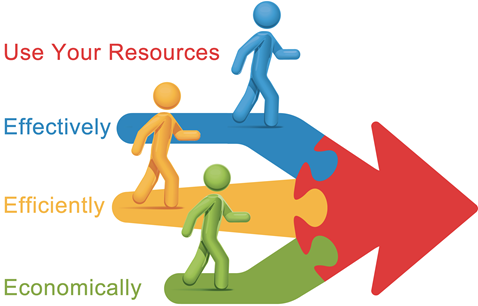
- The demand for and the cost of health care are increasing in all countries with the improvement of health technologies.
- All over the world, patients are affected by the high price of medicines.
- Pharmacoeconomics has become more critical over the past 20 years due to an increased emphasis on efficient drug therapies for disease, which improve health costs etc.
Pharmacoepidemiology and Pharmacoeconomics Terminology
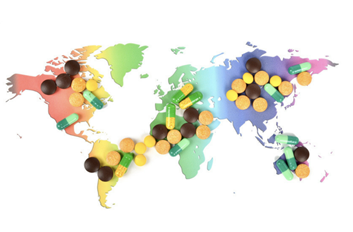
- Pharmacoepidemiology is the study of the utilisation and effects of drugs in large numbers of people.
- Additionally, it provides an estimate of the probability of beneficial effects of a drug in a population and the likelihood of adverse effects.
- It can be called a bridge science spanning clinical pharmacology and epidemiology.
- It determines the effects of genetic variation on drug effect, duration-response relationships, clinical outcomes of drug-drug interactions, and medication non-adherence.
Pharmacoepidemiology and Pharmacoeconomics FADIC Mini-Course
- The course also includes a pre & post-MOCK exam test designed to assess your skills in answering the MCQs effectively.
- Additionally, include more infographics and summarised tables to help ensure the information you obtained in the course.
- The purchase of the course grants you 365 days’ access to all the system-recorded lectures, handouts, and info graphs.
- Duration: 10 days course; each session will be 30 – 1 hour.
Week 1: Foundations of Pharmacoeconomics (5 Lessons)
Your journey begins with a solid grounding in pharmacoeconomic principles. This week establishes the conceptual framework you’ll build upon throughout the course:
- The Importance of Pharmacoeconomics: Understand why economic evaluation has become central to healthcare decision-making and how it shapes drug access globally.
- Cost-Minimisation Analysis: Learn to identify the least costly option when therapeutic alternatives produce equivalent outcomes—a crucial skill for formulary management.
- Cost-Benefit Analysis: Master the technique of expressing both costs and benefits in monetary terms, enabling direct comparison of diverse healthcare interventions.
- Cost-Utility Analysis: Discover how Quality-Adjusted Life Years (QALYs) capture both quantity and quality of life, making this the gold standard for health technology assessment.
- Cost-Effectiveness Analysis: Learn to compare interventions using natural clinical units, such as cost per life-year gained or cost per event prevented.
Week 2: Advanced Applications (6 Lessons)
Building on your foundational knowledge, Week 2 moves into practical applications and introduces pharmacoepidemiology:
- Pharmacoeconomic Role of Pharmacists: Explore the expanding opportunities for pharmacists in economic evaluation, from clinical practice to health policy.
- Application of Clinical Pharmacoeconomics: Apply your knowledge to real-world scenarios, learning to incorporate economic thinking into everyday clinical decisions.
- Pharmacoepidemiology Definition and Scope: Enter the world of population-level drug research and understand its vital role in ensuring medication safety.
- Primary vs. Secondary Data Sources: Learn to navigate the complex landscape of pharmacoepidemiological data and select appropriate sources for different questions.
- Electronic Medical Records in Research: Discover how digital health records are revolutionising our ability to study drug effects in real-world populations.
- Pharmacoepidemiology in Pharmacy Practice: Connect theoretical knowledge to your daily work and identify opportunities to apply these skills.
Week 3: Integration and Assessment (1 Comprehensive Session + Certificate)
Your final week brings everything together. You’ll complete comprehensive assessments that test your understanding and receive your certificate of completion with 10 CME hours. This week ensures you can confidently apply your new knowledge in professional settings.
Everything Included in Your Enrolment
When you enrol in this course, you receive a comprehensive learning package designed to support your success:
- 365 Days of Full Access: Unlike courses that expire after a few weeks, your enrolment grants you a full year of access to all course materials. Review lectures before exams, revisit concepts as needed, and learn at your own pace without pressure.
- 13 Expert-Led Video Lessons: Each session runs 30-60 minutes and is available in English slides with Arabic illustration, making complex concepts accessible to our diverse learner community.
- Pre and Post Mock Examinations: Assess your starting knowledge with our pre-course examination, then measure your growth with the post-course assessment. These MCQ-based tests are specifically designed to build your exam-taking skills—essential for SPLE candidates.
- Professional Infographics and Summary Tables: Our visual learning materials distil complex information into easy-to-remember formats. These resources are perfect for quick review and exam preparation.
- Downloadable Handouts: Take your learning offline with comprehensive handouts that complement each video lesson.
- Weekly Mentor Support: You’re never alone in your learning journey. Our mentors provide ongoing support to answer questions and guide your progress.
- Personalised Feedback on Assessments: Receive detailed feedback on your answers, helping you understand not just what is correct, but why—deepening your learning.
- Certificate of Completion with 10 CME Hours: Upon successful completion, receive your official FADIC certificate documenting 10 Continuing Medical Education hours for your professional portfolio.
What Our Students Say
| “The course was really informative and very useful. It’s comprehensive yet concise in covering the types of studies in pharmacoeconomics. Overall, I loved the course and benefited greatly from it. It would benefit from adding more examples of the study types.” — Hadeel Mosaed Alharbi, Verified Student |
Is This Course Right for You?
This course has been designed to serve pharmacy professionals at various career stages. You’ll find it particularly valuable if you fall into any of these categories:
- Practising Pharmacists: Whether you work in community pharmacy, hospital settings, or industry, pharmacoeconomic skills will enhance your professional value. Learn to contribute to formulary decisions, justify therapeutic recommendations with economic evidence, and advance into leadership roles.
- SPLE Examination Candidates: Preparing for the Saudi Prometric Licensure Examination requires comprehensive knowledge across pharmacy disciplines. This course covers pharmacoeconomics and pharmacoepidemiology concepts that appear on the examination, with MCQ practice designed to build your test-taking skills.
- PharmD Students and Graduates: Complement your clinical training with economic evaluation skills that employers increasingly demand. Stand out from other graduates by demonstrating competency in this growing field.
- Pharmacy Interns: Build a strong foundation early in your career. Understanding pharmacoeconomics from the start will shape how you approach clinical decisions throughout your professional life.
Continue Your Professional Development
This course is part of FADIC’s comprehensive pharmacy education ecosystem. Once you’ve completed this programme, consider expanding your knowledge with these complementary courses:
- Vaccines and Immunization Mini-Course
- Pharmacotherapy and Clinical Science Mini-Course
- Pharmaceutics and Pharmaceutical Calculations Mini-Course
- Pharmacy Revision Guide SPLE
- Mock Test Book from FADIC SPLE
- Pharmacy Flashcards Learning Tool
- Pharmacy Last Minute Review Book Series SPLE
- SPLE Preparatory Pharmacy Full Course — Now with 20% Discount!
Take the Next Step in Your Pharmacy Career
- The healthcare industry is changing, and the pharmacists who thrive will be those who expand their expertise beyond traditional roles. Pharmacoeconomics and pharmacoepidemiology represent essential competencies for the modern pharmacy professional—skills that open doors to new opportunities in clinical practice, industry, policy, and research.
- For just $200 USD, you gain access to expert instruction, comprehensive materials, mentor support, and a credential that demonstrates your commitment to professional excellence. With 365 days of access, you can learn at your own pace while balancing work and personal commitments.
- Don’t let this opportunity pass. Join thousands of pharmacy professionals who have advanced their careers through FADIC education. Enrol today and begin your transformation into a pharmacoeconomics-literate professional.
Keep Learning:
- Vaccines and Immunization Mini-Course
- Pharmacotherapy and Clinical Science Mini-Course
- Pharmaceutics and Pharmaceutical Calculations Mini-Course
- Pharmacy Revision Guide SPLE
- Mock Test Book from FADIC SPLE
- Pharmacy Flashcards learning tool for pharmacy review
- Pharmacy Last Minute Review Book Series SPLE
- SPLE Preparatory Pharmacy Full Course with 20% Discount
Hashtags
1. #pharmacoepidemiology
2. #pharmacoepidemiology and drug safety
3. #pharmacoeconomics
4. #pharmacoeconomics master
5. #pharmacoeconomics courses
6. #pharmacoeconomics course
7. #health economics
8. #health economics masters
If you have any inquiry, please contact WhatsApp.

Week 1
- The Importance of Pharmacoeconomics
- Cost-Minimization Analysis
- Cost-Benefit Analysis
- Cost-Utility Analysis
- Cost-Effectiveness Analysis
Week 2
- Pharmacoeconomic Role of Pharmacists
- Application of Clinical Pharmacoeconomics
- Pharmacoepidemiology definition
- Primary Vs. Secondary Data Collection Sources
- Pharmacoepidemiology in Pharmacy Practice
- Pharmacoepidemiology and Pharmacoeconomics Workshop
Week 3
- SPLE Mock Test
Your Certificate
- And Finally, Your Certificate…
Reviews
الكورس كان فعلا informative ومفيد جداً .. شامل ومختصر لأنواع الدراسات في الصيدلية الاقتصادية .. بشكل عام حبيت الكوس واستفدت منه كثير يحتاج الى اضافه امثله اكثر على انواع الدراسات
Hadeel Mosaed Alharbi